
Kershaw 72 Hour Release Window
Kershaw County has no verified official 72-hour or three-day release feed. Its county detention page links only an “inmate list” hosted through Zuercher. The live configuration is limited to today’s current inmates and offers public filters for name, race, sex, and arrest date. It does not expose a release-date column, historical-release selector, or published retention window.
A three-day inquiry remains useful. It gives a clear start and end date for asking Kershaw County Detention Center about weekend, holiday, or multi-day departures. Yet the range must be built from source records. It cannot be reconstructed by comparing who vanished from a current list, because disappearance does not establish when or why custody ended.
No verified Kershaw jail mobile app fills that gap. VINELink can track one participating person and send a status alert, but it does not publish a countywide three-day release roll. Preserve the alert time, then compare it with the KCDC record.
Check Kershaw Three-Day Releases
Define the period before calling or filing a request. A rolling 72-hour span measured from the present is not always the same as three named calendar dates. Tell KCDC which one is needed and note the applicable time zone. Ask whether the center maintains a standard jail-management release report for that exact interval. South Carolina FOIA covers an existing report or responsive record but does not require staff to create a new compilation.
- Write down the exact beginning and ending date and time for the Kershaw County release inquiry.
- Check the Kershaw current inmate list only for present custody, not historical release.
- Call KCDC at 803-425-1516 and ask whether each named person is still held or whether a booking closed in the range.
- Ask for actual release time, release type, authority, and destination so a transfer is not reported as community release.
- Review the Kershaw Public Index for bond, filed orders, disposition, sentence, or other case events.
- Use SC VINE for a specific participating person, then confirm the status event with KCDC.
- Request the existing release report, individual booking/release records, or jail-book entries when direct checks leave a gap.
For a strictly same-day question, use the Kershaw County 24-hour release path. The narrower span reduces unrelated records and focuses the contact on one date.
Kershaw 72 Hour Record Fields
A reliable three-day result needs enough detail to match each departure with the right person and custody episode. Since the county does not publish these as online release-list columns, request them from the record actually maintained by KCDC. The destination field is especially important across a weekend, when a person may leave one facility yet remain in government custody elsewhere.
| Field | How to read it |
|---|---|
| Name and booking number | Separates similar names and links the result to one KCDC admission. |
| Booking date and time | Shows which custody event preceded departure. |
| Actual release date and time | Places the departure inside or outside the defined three-day span. |
| Release type or legal authority | May identify bond, court order, dismissal, time served, sentence completion, transfer, or a hold. |
| Releasing officer or record entry | May appear in the permanent jail book and supports the administrative event. |
| Destination or receiving agency | Shows whether the person entered the community or another custody system. |
South Carolina’s county retention schedule defines inmate records to include arrest, incarceration and release dates, how and by whom the person was released, charges, bond, booking in and out, and property receipts. Those records are retained for ten years after release. The jail book, which includes the date and method of release, is permanent.
Note: A release date without a type or destination may hide a transfer, detainer, or move into state custody.
Kershaw Weekend Release Checks
Weekends and holidays make a 72-hour review more useful, but they do not create a special Kershaw feed. Court, records, and administrative offices may have different work schedules. KCDC remains the source for whether physical detention ended, while the court file supplies the legal event that led to it. A docket entry can precede jail processing and should not be treated as the gate timestamp.
Start with the full span and then sort each record by actual release time. If Friday bond activity led to a Saturday departure, preserve both dates. If an order was entered but a separate hold kept the person inside, report no community release until KCDC confirms the booking outcome. Direct contact is more useful than assuming that a weekday web update captured all weekend activity.
SC VINE may send a status alert for a registered, participating county detainee. It is a person-specific notification system, not a Kershaw County 72-hour list or jail app. Its data can lag, so the detention record remains the final local source.
Kershaw Roster Data Quirk
The official Kershaw roster is useful for seeing its actual current-inmate controls. The screenshot below documents that interface. It is not a release list, and no entry shown should be described as a person released during a three-day span.
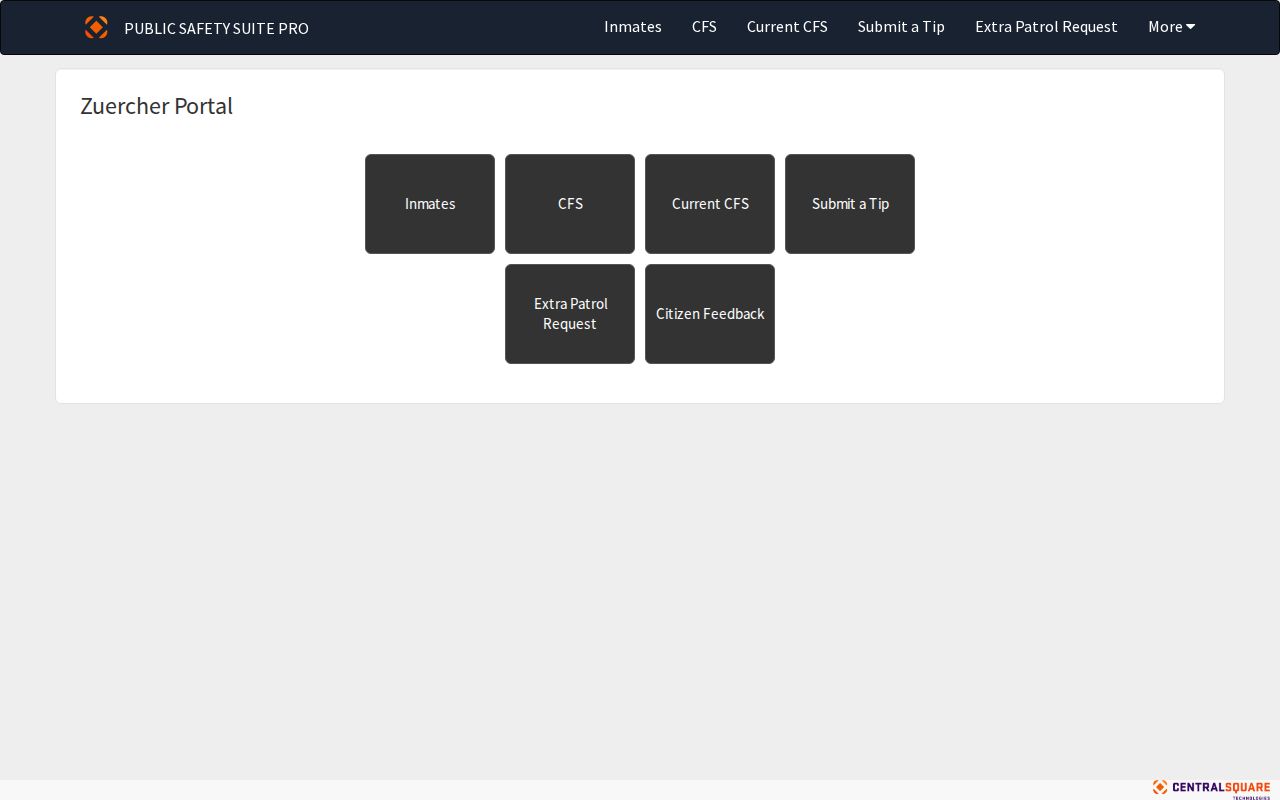
Roster disappearance must be corroborated with KCDC, the release record, the court case, and VINE when applicable. A screenshot or prior roster entry can help identify a booking, but it cannot establish the later release type or destination.
Kershaw State Release Range
South Carolina provides a distinct three-day route for state corrections cases. The SCDC Released Inmate Search accepts beginning and ending release dates plus a county selection. Results can be paged and exported. Visible fields include SCDC ID, name, sex, race, age, sex-offender indicator, release date, release type, and county. Exported headings should be checked before defining what the county field means.
This state list covers people released from SCDC, not every person who left KCDC. Someone who bonded out of the county jail without entering SCDC will not appear just because the case arose in Kershaw County. Conversely, a state-sentenced person tied to Kershaw may leave an SCDC prison located elsewhere and appear in the statewide result.
| Custody event | Three-day source |
|---|---|
| KCDC community release | KCDC booking/release record plus the court case |
| KCDC transfer to SCDC | KCDC destination and the ordinary SCDC current search |
| SCDC prison release | SCDC Released Inmate Search over the exact three dates |
| Federal departure | BOP locator and the federal court record, not either county list |
The ordinary SCDC offender search excludes released people and reports current state prisoners as of the prior midnight. It is not a historical substitute. Use the released database for an affirmative state departure.
Kershaw 72 Hour Records Request
Use Kershaw County’s FOIA process for KCDC booking and release data because the county operates the jail outside Sheriff’s Office jurisdiction. Identify the exact date range and ask for an existing standard release report if one is maintained. If not, request the named individual records or jail-book entries. Include the booking number when known and ask for electronic copies.
The request can name the fields that make a three-day result useful: full name, booking number, booking date, actual release date and time, release type or authority, charges and case numbers, and destination or receiving agency when recorded and public. That level of detail helps staff find an existing record and helps the reader distinguish a completed community release from movement to another custodian.
FOIA determination and production periods are not the same. For recent records, an agency generally provides written notice of its determination within ten business days. When access is granted, production generally follows within 30 calendar days, subject to a deposit and any written extension. Those timelines mean a records request can document the full weekend range after the fact. For an urgent present-custody question, call KCDC first and use the request to preserve the exact event.
Section 30-4-30(D)(3) also provides in-person inspection of documents identifying people confined in a jail or detention center during the prior three months without a written request. That access floor is useful after the current roster drops a name. It still does not turn the portal into a historical feed.
The Kershaw County named-person release search helps when the date or custody level is uncertain. For a known three-day KCDC range, a narrow custodian request is the strongest fallback. Ask staff to state whether the result was bond, sentence completion, another order, or transfer, and preserve the exact wording returned.
Note: Online absence, agency retention, and public-record access are distinct issues and must not be merged into one release claim.