
Kershaw 24 Hour Release Status
No distinct official Kershaw County list shows people released from jail during the last 24 hours. The county links to a Zuercher Portal labeled “Kershaw County Inmate list.” Its public setup is for today’s current inmates. It offers name, race, sex, and arrest-date filters, but no public release-date field, released status, or historical window. The county and Sheriff pages also make no promise about update cadence or how long an entry stays online.
That means the roster answers a narrow question: whether an entry appears as current when checked. It cannot prove that someone who is absent left the jail. A name may be missing because of a spelling variation, a data delay, a transfer, or a booking that has not reached the public view. A release report must instead record an actual departure and its legal basis.
Kershaw County also publishes no official mobile jail application that supplies a separate same-day list. VINELink offers person-specific status and alerts, but it does not browse all local releases during a chosen day. Each tool answers a different question.
Check Kershaw Same-Day Releases
Start with custody, then move to the record that proves what occurred. Kershaw County Detention Center is operated by the county Department of Safety and Emergency Services, not the Sheriff’s Office. For a KCDC booking, the detention center is therefore the first source for physical departure. The court record can show why release was authorized, while SC VINE can provide another event signal for a participating person.
- Check the official current inmate list. Treat a match as current-custody information at that snapshot.
- Call KCDC at 803-425-1516. Ask if the person is currently held, then ask whether the booking closed within the requested day.
- Request the actual release date and time, release type, authority, and destination or receiving agency when those fields are public.
- Search the Kershaw Public Index by name or case number for bond, dismissal, sentencing, or release-order activity.
- Check a prior SC VINE registration or use VINELink for the named person. Confirm any alert with KCDC because agency data can lag.
- If no channel resolves the question, ask Kershaw County for the existing booking/release record or standard release report for the exact date.
The broader Kershaw County released-inmate search explains the named-person path when the relevant custody level or date is not yet clear. It also separates local jail records from state and federal systems.
Kershaw 24 Hour Record Fields
Because Kershaw County publishes no same-day feed, these are the fields to seek in an existing release report or individual booking/release record. They are not columns claimed to appear on the live roster. Reading them together prevents a transfer from being mistaken for freedom and ties the departure to the correct booking.
| Field | What it establishes |
|---|---|
| Full name and identifier | Matches the person to a booking number, date of birth, or other lawful disambiguator. |
| Booking date and time | Identifies the custody episode being checked. |
| Actual release date and time | Shows when KCDC stopped holding the person for that booking. |
| Release type or authority | May state bond, court order, time served, dismissal, sentence completion, transfer, or another hold. |
| Case and charge data | Connects the jail event with the correct court file. |
| Destination or receiving agency | Distinguishes community release from movement to SCDC, another jail, federal custody, or immigration custody. |
A booking photo is an identity artifact, not a release field. Likewise, a bond amount or order may explain authority but not the minute when jail staff completed processing. The actual release timestamp and destination carry the most weight.
Note: Ask for the existing record by name, booking date, and exact one-day range so staff need not create a new report.
Kershaw Current Roster Limits
The official Kershaw inmate portal visibly presents a current-inmate search rather than a released-person window. The captured interface below helps identify the available roster controls. It must not be read as a screenshot of releases.
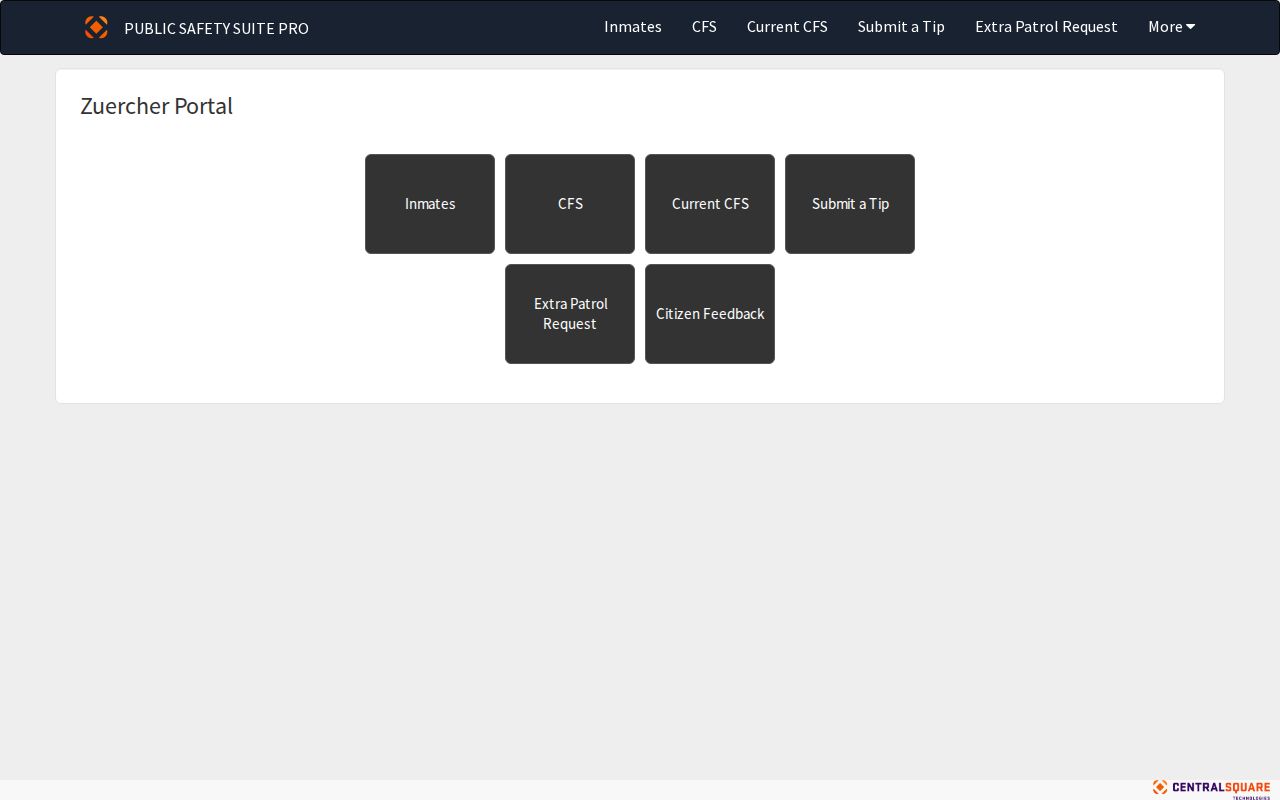
The roster can begin a same-day check, but KCDC contact and the release record must finish it. Do not infer an actual release time from when a name first disappears.
Kershaw Bond Hearings and Release
KCDC’s official resource guide lists separate city and county bond-hearing times in the detention-center lobby. City hearings are listed at 7:30 a.m. and 4:30 p.m.; county hearings are listed at 8:00 a.m. and 5:00 p.m. All are subject to change. The guide also distinguishes cash bond, paid in cash to the judge, from surety bond arranged through a bondsman.
Those are hearing times, not guaranteed gate times. A favorable bond decision still has to reach the jail and be processed. Staff may need to verify identity, check other holds, complete property paperwork, or determine whether another agency will assume custody. The court event explains the authority. Only KCDC’s closed booking and release record confirm the physical departure.
A person may also leave through time served, dismissal, sentence completion, or another court order. “Bonded out” does not mean acquitted, and “time served” does not defeat an unrelated hold. Use the exact release-type wording supplied by the record.
Kershaw Release Versus Custody
Different systems describe different custody layers. KCDC records a local booking and physical departure. The Public Index records bond, filed orders, disposition, and sentence events. SC VINE relays participating-agency status changes but does not originate the jail record. SCDC tracks people sentenced to state prison and maintains its own released-inmate database.
| Situation | Correct source | What not to assume |
|---|---|---|
| Still held at KCDC | Current roster plus direct KCDC confirmation | A court order may not yet have been executed. |
| Left KCDC within 24 hours | KCDC booking/release record and court case | Roster disappearance alone is not release proof. |
| Transferred to state prison | KCDC destination field and SCDC current search | Leaving the county jail is not community release. |
| Released from SCDC | SCDC Released Inmate Search | It is not a KCDC same-day list. |
SCDC’s released search can use a one-day date range and a county selection. Its results describe state corrections releases, even when the underlying case began in Kershaw County. A person who bonded out of KCDC without entering state prison should not be expected there.
Kershaw 24 Hour Records Fallback
When phone, court, roster, and VINE checks do not settle the matter, request the existing KCDC record through Kershaw County’s FOIA channel. Specify the full name, a lawful identifier, booking date, exact date range, release date and time, release authority, and destination. Electronic records can be requested in the form maintained. South Carolina FOIA grants access to existing nonexempt records, but it does not force the county to create a custom 24-hour list.
Recent access has another route. Section 30-4-30(D)(3) requires documents identifying people confined during the prior three months to be available for in-person inspection without a written request. The county retention schedule also keeps inmate records for ten years after release, while the jail book is permanent. Online visibility and government retention are not the same.
A written South Carolina FOIA request has separate determination and production periods. For records no more than 24 months old, the agency generally gives written notice of its determination within ten business days. If access is granted, production generally follows within 30 calendar days. A lawful deposit can reset the production clock, and an agreed written extension can change it. These rules make FOIA a durable proof route, but not an instant same-day alert.
Phrase the request around a record the county may already hold: the booking/release entry, jail-book entry, or standard release report for the named date. Ask for booking number, actual departure time, release type, releasing authority, and destination. A request for “everyone released today” may require a custom compilation if no standard report exists. A request for existing entries within a precise range gives the custodian a clearer target.
KCSO should receive only a request for Sheriff-created material, such as an arrest report it holds. Since the Sheriff states that KCDC is outside its jurisdiction, the detention booking and release record belongs first with KCDC or Kershaw County. For a wider local date span, compare the Kershaw County 72-hour release process.
Note: A narrow request for a named booking and date is more useful than asking staff to compile an unsupported live feed.